Ephippiorhynchus asiaticus
Black-Necked Stork
Best locations
5
Expert creators
0
Field Reports (12 months)
0
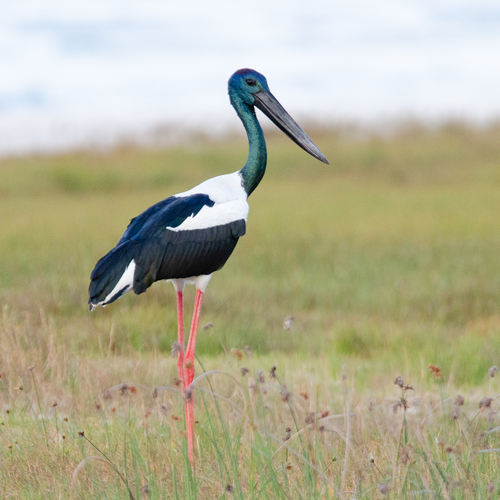
(c) Nicole Brooker, some rights reserved (CC BY-NC), uploaded by Nicole Brooker
About this species
The Black-Necked Stork is India's only stork species that does not breed colonially — pairs are solitary and territorial in wetland habitats. Standing over 1.3 metres tall with a vivid red-and-black iridescent neck, it is one of the most dramatic waterbirds. Keoladeo and Corbett's river valleys offer reliable sightings. Spot Black-Necked Storks in India's wetlands. India's largest stork — identification guide and best wetland birding locations.
Field Reports
0 total reports
No field reports yet for this species.
Best locations for Black-Necked Stork
Reserves and landscapes where our photographers reliably encounter this species, with links to place-specific guides.
Wildlife Creators Specialising in Black-Necked Stork
View allNo specialists are listed yet — try our search for nearby creators.
Upcoming Trips Targeting Black-Necked Stork
No active trips are targeting this species right now — ask a guide on our search page.
When and Where to Photograph Black-Necked Stork
The Black-Necked Stork is India's only stork species that does not breed colonially — pairs are solitary and territorial in wetland habitats. Standing over 1.3 metres tall with a vivid red-and-black iridescent neck, it is one of the most dramatic waterbirds. Keoladeo and Corbett's river valleys offer reliable sightings. Spot Black-Necked Storks in India's wetlands. India's largest stork — identification guide and best wetland birding locations.
Plan field days around Jan–Dec: light is often strongest at dawn and dusk, when many mammals and birds are most active. Work with a naturalist who knows local movement patterns — they will position you ethically while improving your odds of a encounter in Keoladeo National Park.