Hemitragus jemlahicus
Himalayan Tahr
MammalBest Season: Apr–Sep
Best locations
12
Expert creators
0
Field Reports (12 months)
0
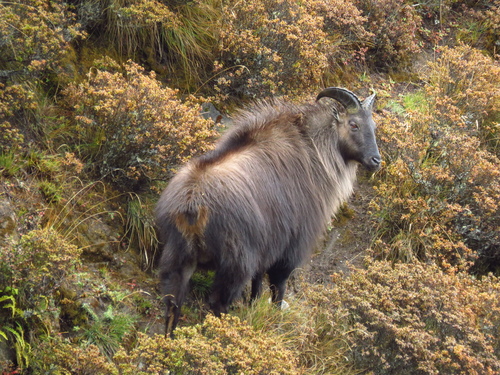
(c) adachao, some rights reserved (CC BY-NC-ND), uploaded by adachao
About this species
The Himalayan Tahr is a rugged wild goat found on steep rocky slopes of the inner Himalayas. Males grow impressive curved horns and a thick mane. Herds are visible on south-facing cliff faces in Hemis, and the trails around Kedarnath Wildlife Sanctuary offer excellent trekking-based encounters. See Himalayan Tahr on trekking safaris in the Himalayas. Rocky slope wildlife — expert guide and best trekking destinations.
Field Reports
0 total reports
No field reports yet for this species.
Best locations for Himalayan Tahr
Reserves and landscapes where our photographers reliably encounter this species, with links to place-specific guides.
LadakhHemis National Park
0 creators here
UttarakhandKedarnath Wildlife Sanctuary
0 creators here
Himachal PradeshGreat Himalayan National Park
0 creators here
Himachal PradeshChurdhar Wildlife Sanctuary
0 creators here
UttarakhandGangotri National Park
0 creators here
UttarakhandGovind Pashu Vihar Wildlife Sanctuary
0 creators here
Wildlife Creators Specialising in Himalayan Tahr
View allNo specialists are listed yet — try our search for nearby creators.
Upcoming Trips Targeting Himalayan Tahr
No active trips are targeting this species right now — ask a guide on our search page.
When and Where to Photograph Himalayan Tahr
The Himalayan Tahr is a rugged wild goat found on steep rocky slopes of the inner Himalayas. Males grow impressive curved horns and a thick mane. Herds are visible on south-facing cliff faces in Hemis, and the trails around Kedarnath Wildlife Sanctuary offer excellent trekking-based encounters. See Himalayan Tahr on trekking safaris in the Himalayas. Rocky slope wildlife — expert guide and best trekking destinations.
Plan field days around Apr–Sep: light is often strongest at dawn and dusk, when many mammals and birds are most active. Work with a naturalist who knows local movement patterns — they will position you ethically while improving your odds of a encounter in Hemis National Park.