Anthus nilghiriensis
Nilgiri Pipit
Best locations
5
Expert creators
0
Field Reports (12 months)
0
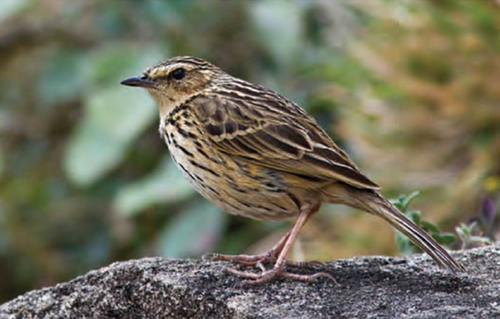
(c) Arka Sarkar, some rights reserved (CC BY)
About this species
The Nilgiri Pipit is a large, streaked grassland pipit endemic to the high plateau grasslands of South India — found almost exclusively in Eravikulam and the Palani Hills. One of the most range-restricted birds in India. The rolling grassland plateau of Eravikulam is the best and most accessible location. Spot Nilgiri Pipits on South India's highland plateaus. Highly endemic grassland pipit — birding guide and Eravikulam National Park tours.
Field Reports
0 total reports
No field reports yet for this species.
Best locations for Nilgiri Pipit
Reserves and landscapes where our photographers reliably encounter this species, with links to place-specific guides.
Wildlife Creators Specialising in Nilgiri Pipit
View allNo specialists are listed yet — try our search for nearby creators.
Upcoming Trips Targeting Nilgiri Pipit
No active trips are targeting this species right now — ask a guide on our search page.
When and Where to Photograph Nilgiri Pipit
The Nilgiri Pipit is a large, streaked grassland pipit endemic to the high plateau grasslands of South India — found almost exclusively in Eravikulam and the Palani Hills. One of the most range-restricted birds in India. The rolling grassland plateau of Eravikulam is the best and most accessible location. Spot Nilgiri Pipits on South India's highland plateaus. Highly endemic grassland pipit — birding guide and Eravikulam National Park tours.
Plan field days around Jan–Dec: light is often strongest at dawn and dusk, when many mammals and birds are most active. Work with a naturalist who knows local movement patterns — they will position you ethically while improving your odds of a encounter in Eravikulam National Park.