Eumyias albicaudatus
Nilgiri Flycatcher
Best locations
8
Expert creators
0
Field Reports (12 months)
0
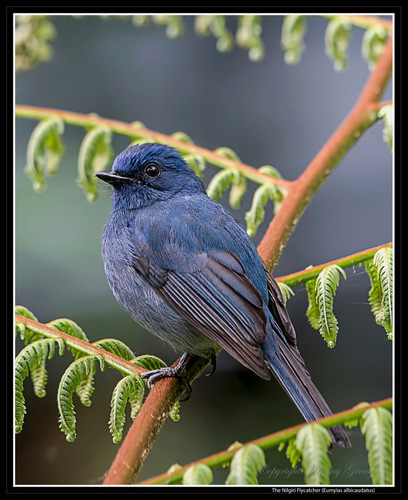
(c) antonygrossy, some rights reserved (CC BY-NC), uploaded by antonygrossy
About this species
The Nilgiri Flycatcher is a striking endemic of the Nilgiris and Western Ghats — males a deep, uniform slate blue with a white patch on the tail. Found in the cool shola forests above 1,000 metres. Eravikulam's grassy plateau edges and Anamalai's shola patches are the best locations. Spot Nilgiri Flycatchers in the Western Ghats highlands. Deep blue shola forest endemic — birding guide and best high-altitude locations.
Field Reports
0 total reports
No field reports yet for this species.
Best locations for Nilgiri Flycatcher
Reserves and landscapes where our photographers reliably encounter this species, with links to place-specific guides.
Wildlife Creators Specialising in Nilgiri Flycatcher
View allNo specialists are listed yet — try our search for nearby creators.
Upcoming Trips Targeting Nilgiri Flycatcher
No active trips are targeting this species right now — ask a guide on our search page.
When and Where to Photograph Nilgiri Flycatcher
The Nilgiri Flycatcher is a striking endemic of the Nilgiris and Western Ghats — males a deep, uniform slate blue with a white patch on the tail. Found in the cool shola forests above 1,000 metres. Eravikulam's grassy plateau edges and Anamalai's shola patches are the best locations. Spot Nilgiri Flycatchers in the Western Ghats highlands. Deep blue shola forest endemic — birding guide and best high-altitude locations.
Plan field days around Jan–Dec: light is often strongest at dawn and dusk, when many mammals and birds are most active. Work with a naturalist who knows local movement patterns — they will position you ethically while improving your odds of a encounter in Eravikulam National Park.